
It is widely known that everyone has cancer cells in their body, yet these cells typically cause no harm.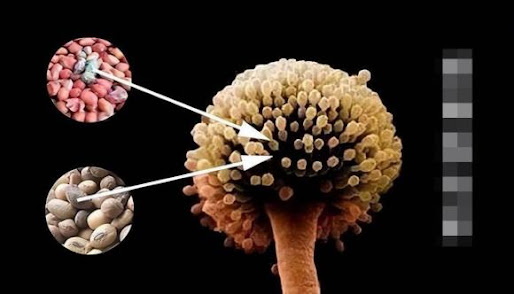
In reality, the human body produces countless new cells every day, and genetic mutations are bound to occur during the process of cell division.
While this can lead to the emergence of cancer cells, these cells generally remain dormant and are swiftly eliminated by the body’s immune system.
However, the incidence of cancer has been rising in our country in recent years, reaching a concerning level. So, how does cancer develop? What causes it? And what should you truly avoid? Let’s explore this further.
1. What are common carcinogens?
1. The impact of physical factors
Physical factors primarily include ultraviolet (UV) radiation, ionizing radiation, and mechanical irritation—all of which are frequently encountered in daily life.
For instance, prolonged, intense exposure to UV rays from the sun can lead to skin cancer, while frequent exposure to ionizing radiation—such as that from certain medical imaging procedures—may increase the risk of developing leukemia or other cancers.

2. Environmental factors
Environmental factors are a major cause of cancer. Our daily surroundings can contain various carcinogens, such as radioactive substances, nicotine from tobacco, petroleum products, and industrial emissions. Higher concentrations of these substances in one’s environment correlate with a greater risk of developing cancer.
3. Long-term smoking and alcohol consumption
Smoking and alcohol consumption are also linked to the development of cancer. Harmful substances found in tobacco and alcoholic beverages have a significant, detrimental impact on human health. Frequent, heavy alcohol consumption places an excessive burden on the liver, leading to chemical toxicity and damage to liver cells. This can result in conditions such as alcoholic fatty liver disease and cirrhosis; if the damage progresses, it may even lead to liver cancer.

It is understood that the development of cancer may be linked to a weakened immune system. Neglecting self-care—such as failing to get adequate rest or frequently staying up late—can compromise your immune function.
Once viruses or bacteria enter the human body, they can cause illness; if these conditions remain uncontrolled, they may even lead to the development of cancer.
2. A “Group 1 Carcinogen” Identified: Experts Urge Immediate Avoidance
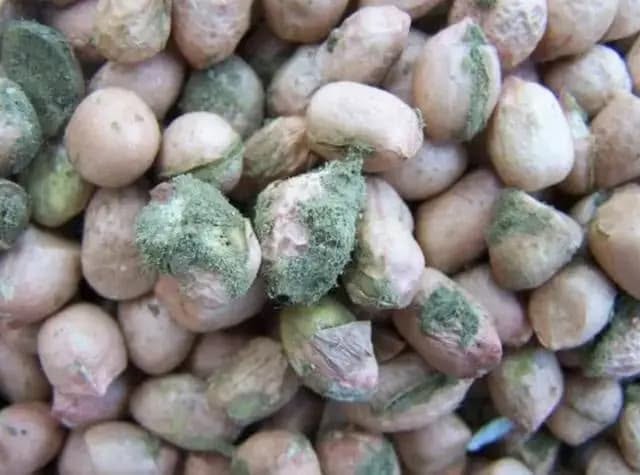
In 1993, the World Health Organization’s (WHO) International Agency for Research on Cancer classified aflatoxin as a Group 1 carcinogen. Aflatoxins are metabolites produced by the fungi *Aspergillus flavus* and *Aspergillus parasiticus*. Among them, aflatoxin B1 is the primary toxin and the most potent liver carcinogen discovered to date.
Experimental data suggests that the ingestion of approximately 20 milligrams of aflatoxin can be fatal; the substance is carcinogenic and causes permanent damage to the liver.
Consuming a large amount of aflatoxin can lead to acute health crises, including the necrosis of liver parenchymal cells, proliferation of bile duct epithelial cells, fatty liver, and intrahepatic hemorrhaging. Initial symptoms include fever, nausea, loss of appetite, and jaundice, followed by the development of ascites (fluid accumulation in the abdomen) and edema in the lower limbs, which can rapidly lead to death.

Furthermore, it is carcinogenic and mutagenic, so one should avoid consuming contaminated food. Aflatoxin B1 is the most prevalent type found in naturally contaminated food, and it is also the most toxic and carcinogenic.
Aflatoxin B1 is a highly dangerous carcinogen, commonly found in corn, beans, cottonseed, and certain dried fruits—with beans and corn being the most heavily contaminated. Aflatoxin can also be detected in homemade fermented foods, particularly in grain-based products, oils, and items produced in regions with high temperatures and humidity.
In some rural areas, there are still many small-scale, homemade vegetable oil production facilities. These operations often employ rudimentary processing methods and may not always use the highest-quality raw materials—such as soybeans, various types of beans, or rapeseed.
Moreover, because the equipment is often not cleaned thoroughly, residues from previous batches can remain and spoil, potentially posing a health risk. It is therefore best to avoid consuming such homemade vegetable oils.
Aflatoxin is, in fact, all around us and frequently encountered in daily life. Now that you are aware of this, I urge you to discard any food product you suspect may contain aflatoxin immediately.

3.
How harmful is aflatoxin?
1. Chronic toxicity
Long-term exposure to small amounts of aflatoxin can lead to chronic poisoning, primarily characterized by chronic liver damage. This may manifest as cellular degeneration in liver tissue, cirrhosis, or stunted growth; it can also lead to the development of cancer.
2. Gastrointestinal damage
*Aspergillus flavus* (the fungus that produces aflatoxin) can cause significant harm to the human digestive system, leading to symptoms such as nausea, vomiting, loss of appetite, bloating, abdominal pain, and diarrhea.
Increasing water intake can support metabolism, aid digestion, and help flush aflatoxins out of the body. It is also important to maintain healthy lifestyle habits, such as avoiding smoking, alcohol consumption, and spicy foods.
3. Increased cancer risk
Aflatoxin is highly carcinogenic, with the liver being its primary target. Aflatoxin poisoning can cause symptoms like nausea and abdominal pain.
It may also lead to hepatitis, edema, and jaundice. In severe cases, it can trigger malignant transformations—most notably liver cancer—though it may also contribute to the development of stomach, kidney, or breast cancer, among others.
4. Four types of food prone to aflatoxin contamination (often consumed regularly)
1. Nuts
Many nutritionists recommend eating a handful of nuts daily for better health—but this assumes the nuts are of good quality.
If nuts are spoiled or moldy, they can produce aflatoxins, which increase the risk of liver cancer. For instance, if you encounter a bitter-tasting almond, it is likely that the nut has spoiled; in such cases, you should immediately spit it out and rinse your mouth. 2. Seeds
Sunflower seeds are a popular snack, but many people may have occasionally encountered bitter-tasting ones. Such bitterness often indicates that the seeds have gone rancid, a process that can lead to the production of aflatoxins.
If you come across a bitter sunflower seed, do not swallow it; spit it out immediately and rinse your mouth with water.
3. Wood Ear Mushrooms
When preparing wood ear mushrooms, they typically need to be soaked beforehand. It is important to note that they should not be soaked for more than 8 hours. Beyond this time, the mushrooms begin to deteriorate and become a breeding ground for bacteria.
Consuming wood ear mushrooms that have been soaked for too long can introduce a large number of microorganisms into the body, potentially leading to organ failure and food poisoning. As a precaution, try to limit the soaking time to no more than 4 hours.
4. Fruit
Decaying fruit can harbor a significant amount of bacteria, which is highly detrimental to human health. Toxins present in severely rotten fruit can damage the nervous system, contribute to kidney failure, and accelerate premature aging.
Furthermore, spoiled fruit often carries a cancer risk; as it decomposes, various types of fungi can proliferate rapidly, producing large quantities of harmful, toxic substances.